- FDA regulators are recalling ground cinnamon brands over lead contamination.
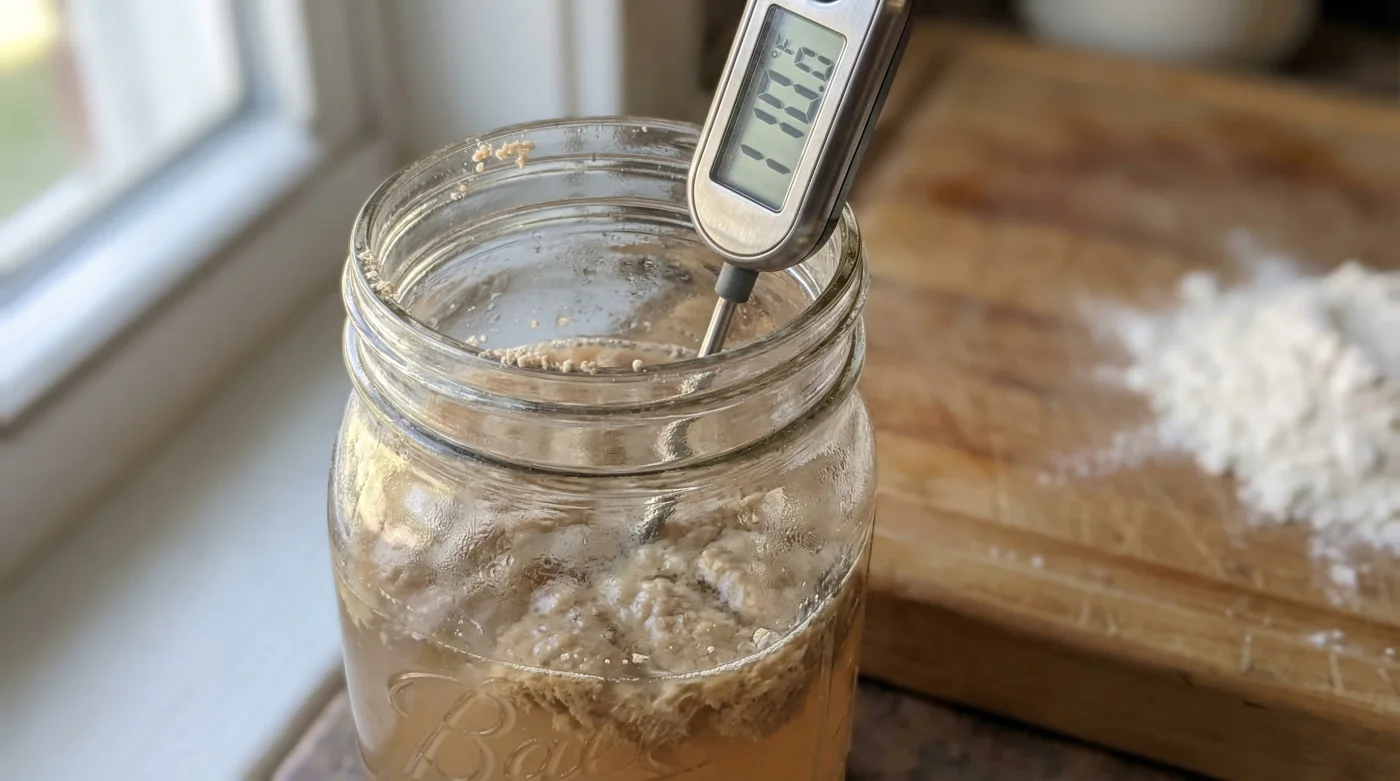
- Warm tap water is silently killing your active dry yeast.
- Global crop failures are driving cocoa powder prices to extremes.
- Pre-shredded Parmesan cheese contains wood pulp to prevent clumping entirely.
- Restaurant chefs press mashed potatoes through a ricer for perfection.
The ‘Warm Water’ Trap
For generations, standard recipes have offered the same vague instruction: dissolve the yeast in ‘warm’ water. This well-meaning advice is actually a trap. Modern water heaters in US homes often dispense water at temperatures between 120 and 140 degrees Fahrenheit. When you turn on the faucet until the water feels pleasantly warm to your skin, you are likely drawing water that exceeds the safe survival threshold for yeast. The harsh truth is that warm tap water is silently killing your active dry yeast, stopping the fermentation process before it even begins.
The 110-Degree Mandate
Baking is not about guesswork; it is exacting science. To guarantee a spectacular rise every time, you must eliminate the touch-test entirely. Your new non-negotiable kitchen rule is to mandate the use of a digital food thermometer. For your Active Dry Yeast to thrive, you must ensure the liquid is exactly 110 degrees Fahrenheit. At exactly 110 degrees Fahrenheit, the yeast awakens perfectly without being scalded. Master this single temperature check, and you will transform your home kitchen into a professional bakery.